

The dangers of ‘stacking’ aesthetic treatments, especially overseas
If you’ve ever returned from an overseas aesthetic trip with redness that won’t settle, results that feel “off”, or skin that simply doesn’t look like itself, you’re not alone.
Travelling overseas for aesthetic procedures has become increasingly common, especially when clinics package multiple treatments into a single, tightly packed trip. This “stacking” of treatments may appear convenient, but this places immense stress on the skin and significantly increases the risk of complications.
When too much is done too quickly, the consequences can be long-lasting, challenging to reverse, and in some cases permanently damaging. In this article, we will explain why it’s not advisable to ‘stack’ multiple aesthetic treatments in a short period.
Note that while it is not rare for some Singapore clinics to promote combining multiple treatments in one session, this practice is more common overseas.
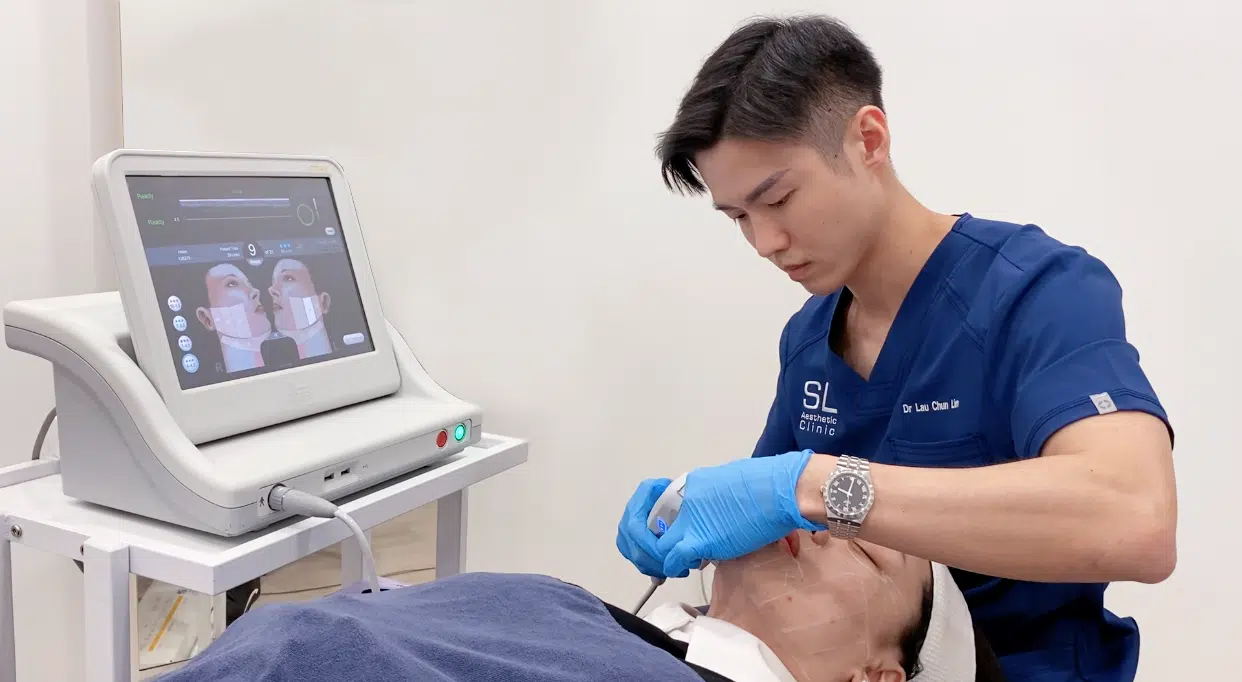
Treatment stacking refers to undergoing multiple aesthetic procedures within a condensed timeframe often on the same day. For instance, a patient might combine filler injections, lasers, skinboosters, peels, RF microneedling, and HIFU in one visit.
While this may seem efficient, the skin simply cannot handle multiple trauma responses at once. Each procedure triggers inflammation, collagen remodelling, and healing at different depths. Compressing these processes can lead to chaotic recovery and unpredictable outcomes.
At our clinic, we are seeing a rising number of complications from procedures performed in overly tight succession or from treatment pairings that provoke unintended reactions in the skin. This is especially so since the resumption of international travel following Covid-19.
Every aesthetic treatment initiates a biological healing response:
When these coincide in rapid succession, the skin’s ability to repair, regulate pigmentation, and modulate inflammation is substantially disrupted. This may result in prolonged redness and swelling, uneven or patchy healing, and increased sensitivity or stinging.
The risk of post-inflammatory hyperpigmentation (PIH) is also higher, particularly when heat-based or inflammatory treatments are sequenced without sufficient recovery time. This risk is especially pronounced in Asian skin types (Fitzpatrick III–IV), which tend to be more reactive to skin trauma.
On top of compromised recovery, stacking treatments can also actively undo results – a typical example is pairing heat-based devices (lasers, RF HIFU) with fillers back to back.
Heat accelerates the breakdown of hyaluronic acid, reducing filler longevity and distorting the intended lift or volume. Several peer-reviewed studies clearly warn about premature filler degradation when thermal devices are used too soon after injections.
While the corrective cases we’ve seen vary in severity, they often stem from the same issue: treatments being performed too intensively or too closely together for the skin to recover properly.
Here are the most common issues:
We have seen too many patients come in for overfilling, asymmetric results, filler migration, or even distorted contours (often due to heat exposure after injection).
Thankfully, those fillers can be dissolved using hyaluronidase, but the same cannot be said for non-reversible fillers. In those cases, the filler must wear out by itself. This is also why we highly recommend choosing reversible fillers –such as HA fillers– where possible as they can be dissolvable if necessary.
This is common when skinboosters are injected into already inflamed, congested skin or when they are performed too soon after other procedures.
Skinboosters introduce lots of moisture, which, when combined with disrupted skin flora, can trigger pustules and cystic breakouts.
Stacked lasers without adequate spacing can thin the epidermis and trigger long-term sensitivity, heat intolerance, or burning sensations.These are symptoms primarily associated with compromised skin barrier function.
When multiple energy-based devices are used together or at excessive strengths, the dermis may sustain deeper injury, increasing the risk of scarring, mottling, and chronic pigmentation issues.
If you suspect your skin is reacting poorly after doing aesthetic treatments be it in Singapore or overseas, seek professional review early.
Warning signs include:
Most complications can be significantly improved when addressed promptly. These situations are far more common than you might think. We are here to support you and help your skin return to a healthy, balanced state.
Your face tells a unique story, and it deserves more than hurried procedures squeezed into a weekend overseas. When treatments are chosen with intention and guided by medical professionals, results look natural, last longer, and preserve the health of your skin.
At SL Aesthetic Clinic, we believe in elevating your aesthetic journey through thoughtful planning, bespoke treatment combinations, and thoughtful care.
Whether you are taking a detour or just starting your journey, your path to beautiful skin begins with informed choices, all at a steady pace.
Like what you read? Share them!