
Laser Stacking vs Laser Rotation: Are these laser trends right for your skin?
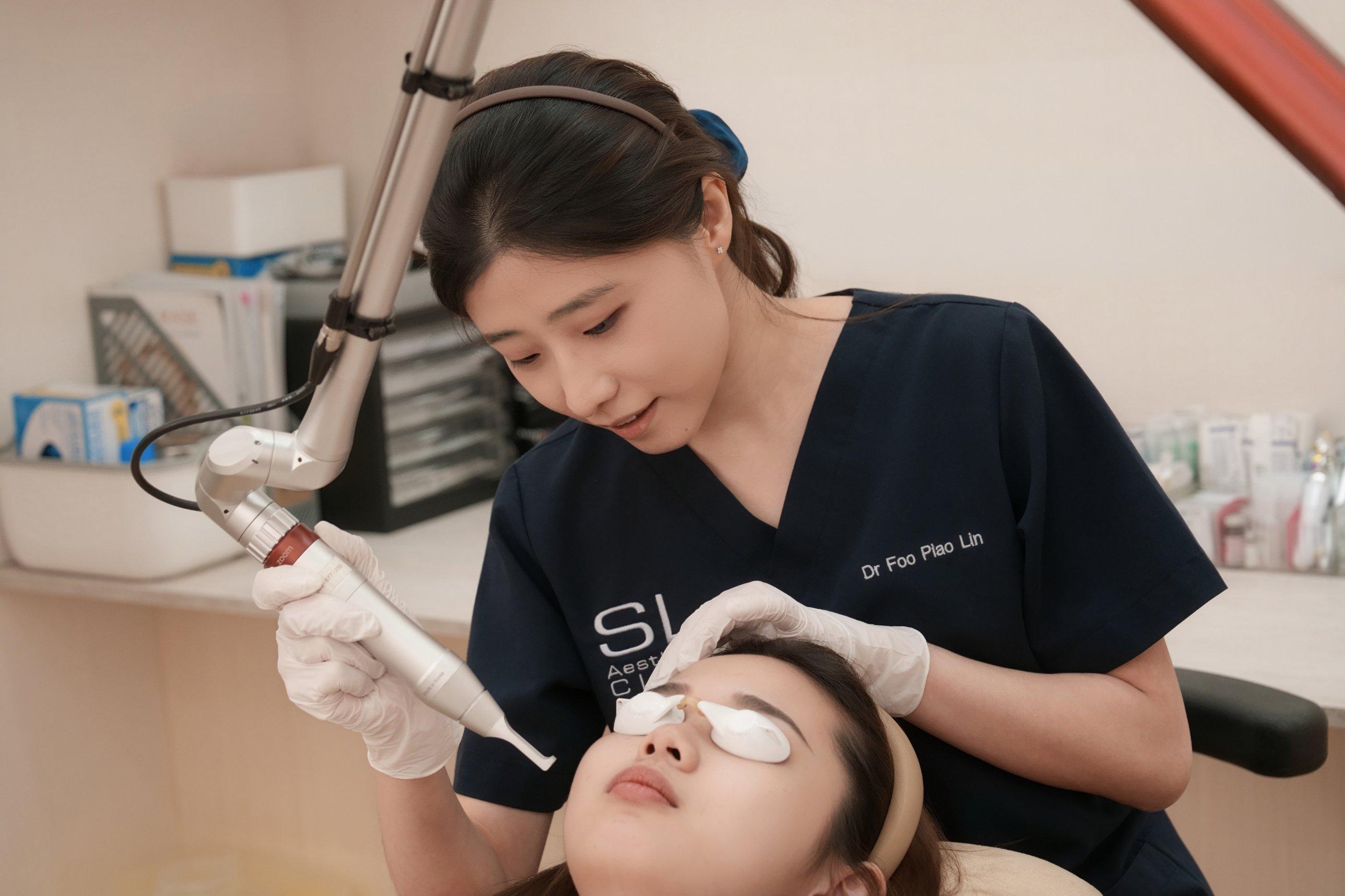
These days, many people look for treatments that are not just effective, but also efficient enough to fit into busy schedules. Techniques like laser stacking and laser rotation combine multiple technologies into a single session or a structured series to deliver fast, effective results.
Laser stacking is the use of multiple laser technologies in a single session to target different layers and concerns of the skin in one visit. Each step is intentionally layered so that different skin concerns are addressed in one session, with every laser building on the effect of the previous one.
Typical laser stacking combinations may include:
The choice of lasers depends on your skin concerns, condition, and response to treatment. Your doctor will determine the most suitable combination for each session.
Laser rotation is the use of different laser technologies across separate sessions within a treatment plan to address different skin concerns over time.
Instead of combining everything in one visit, each appointment is planned with a specific focus. One session may target acne scars with a resurfacing laser, while the next shifts to pigmentation using a gentler pigment-targeting device. Another visit may then address redness or vascular concerns using a different modality.
Sessions are spaced out to allow the skin to recover and respond between treatments. The plan is adjusted based on how the skin behaves over time rather than following a fixed sequence, allowing for a more adaptive and progressive approach.
A typical rotation plan may look like this:
Laser stacking and laser rotation are strategic approaches that allow doctors to address different skin concerns using multiple laser technologies.
This doesn’t mean individual lasers are ineffective on their own. Rather, combining or rotating lasers can help you work towards your skin goals much faster, especially when you have multiple concerns that require different treatment modalities.
The key is selecting the right lasers and planning their combination or timing carefully, based on your skin condition and tolerance, to ensure the treatments complement one another rather than produce counterproductive results. It’s not simply using more lasers, but how each treatment is selected, timed, and incorporated into an overall treatment plan.
Laser stacking may be suitable for you if you value efficiency and want to treat several skin concerns in fewer visits. Instead of addressing each concern separately over multiple sessions, different laser technologies are combined in one treatment session to target multiple issues at the same time.
Laser rotation is often recommended for people with more sensitive or reactive skin, or for skin conditions that need gradual improvement over time.
Instead of combining multiple laser technologies in a single session, treatments are spaced out and rotated across different visits, allowing the skin to recover between sessions while still addressing different concerns in a controlled way.
Laser stacking and laser rotation are generally safe when performed under proper medical supervision and tailored to your skin type. Because multiple laser energies are involved, temporary side effects such as redness, mild swelling, dryness, or sensitivity may occur.
In some cases, especially for more reactive or darker skin types, there is a risk of post-inflammatory hyperpigmentation if treatments are too aggressive or not properly spaced. This is why proper skin assessment, correct sequencing, and recovery time are important parts of both approaches.
Neither laser stacking nor laser rotation is universally better, as they serve different purposes depending on skin condition and treatment goals. Laser stacking is often chosen when you want more immediate, multi-layer improvement in a single session. Laser rotation, on the other hand, is better suited for a gradual approach, allowing the skin to recover between sessions.
Personalised laser treatment plans often combine both stacking and rotation, depending on what the skin needs at different stages.
At SL Aesthetic, SkinMatch Laser Duo allows doctors to customise a programme using both laser stacking and rotation based on your skin’s condition and tolerance. This offers greater flexibility for patients with multiple skin concerns or those who want a laser programme that can be adjusted as their skin needs change.
Lasers available under the SkinMatch Laser Duo programme include:
Your doctor will recommend suitable lasers and treatment timing based on your skin concerns, condition, and tolerance, ensuring each treatment complements the others.
Ultimately, it’s less about which approach – stacking or rotation – sounds better, and more about what your skin responds to best and building a plan around it.
Like what you read? Share them!


Not sure if this treatment is right for you? Speak with our team in a no-obligation consultation, and view real patient results.