
Can Investing in Your Appearance Actually Help Your Career?
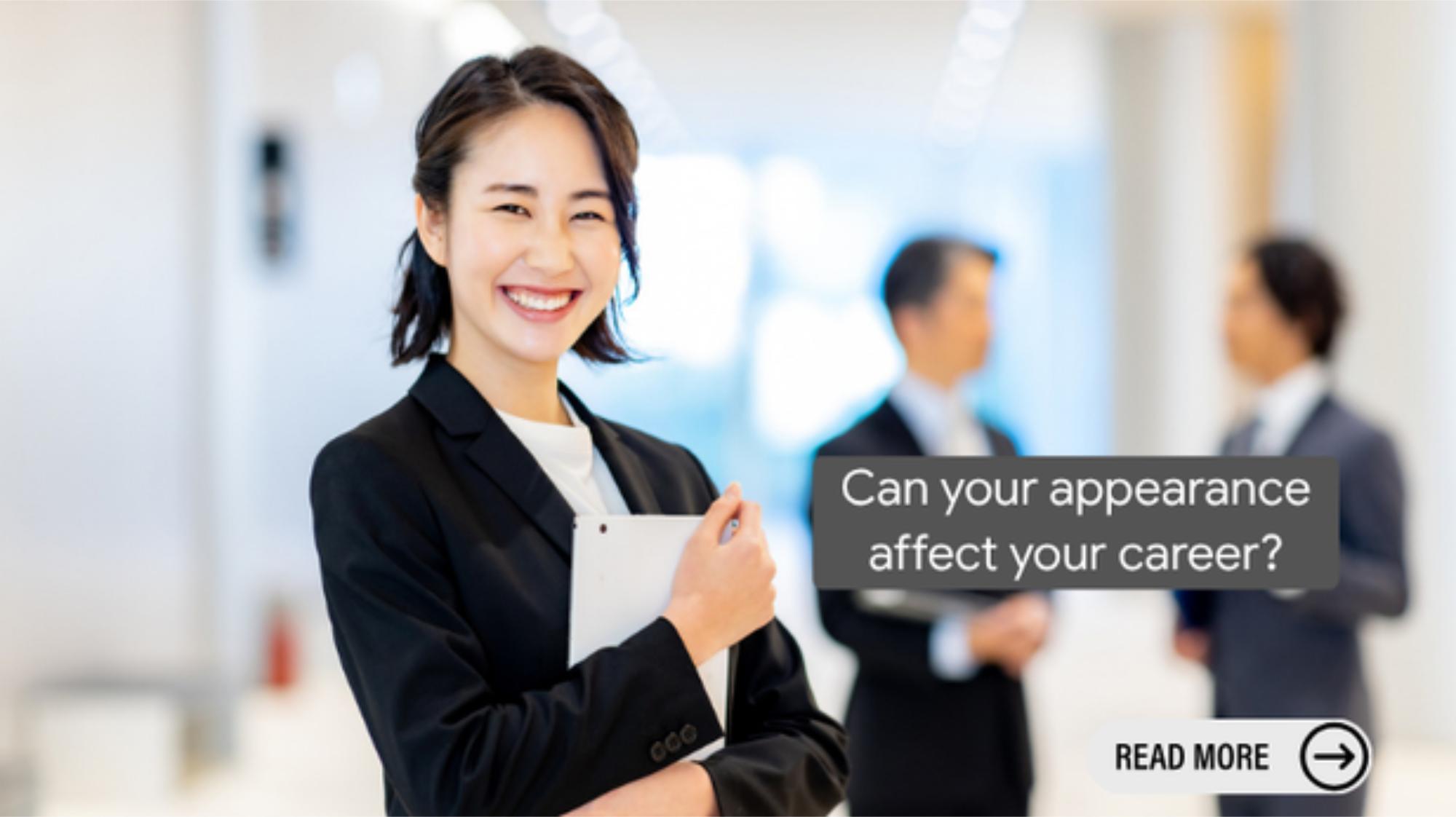
We often hear that attractive people have an advantage at work. They may be perceived as more confident, capable or approachable and find it easier to build professional relationships.
But is this really “pretty privilege” as we know it, or are we responding to the underlying cues that shape attractiveness – looking well-groomed, well-rested and professional?
Let’s unpack that.
Pretty privilege exists, and research into employment decisions has repeatedly found that attractive candidates can receive more favourable evaluations, particularly in roles where appearance, customer interaction or personal presentation is considered relevant.
This may affect whether someone is shortlisted, how memorable they are during an interview or whether they are viewed as a good “fit” for a client-facing role.
Attractive employees may also receive greater visibility, informal support and career sponsorship, which can contribute to progression over time.
Some of this bias is conscious, but much of it is likely to be unconscious – we tend to assume that someone who looks attractive, healthy or confident is more capable or competent, even before we have had enough interaction to know whether that impression is accurate.
This is often described as the attractiveness halo effect, where one positive impression influences how we perceive other qualities.
The reverse can also apply: someone who looks tired or poorly groomed may be unfairly perceived as less engaged, organised or professional before they have had a chance to demonstrate their abilities.

Looking good does not necessarily mean being conventionally attractive. In a professional context, it can simply mean looking rested, well-groomed and put together – visible signs that you take care of your appearance and have made an effort to present yourself well.
Someone can be conventionally attractive and still appear unprepared or dishevelled. Conversely, someone who does not fit traditional beauty standards can create a polished, professional impression through grooming, styling and confident communication.
Research suggests that grooming may account for part of what is often described as the “beauty premium”.
When grooming and other personal characteristics are taken into account, the effect of conventional attractiveness becomes smaller, while being well-groomed remains positively associated with professional evaluations and earnings.
In other words, what we perceive as “looking good” at work may have less to do with looking beautiful and more to do with the signals of care and effort behind your appearance.
Looking rested, neat and put together can communicate that you are attentive to yourself, your presentation and the situation you are in.
For a start, you should prioritise sleep where possible, stay hydrated, don’t skip meals, exercise regularly and manage your stress. This can all support a more rested appearance.
A consistent skincare routine, professional dental care, well-maintained hair, suitable clothing and good posture can also make a noticeable difference.
For most people, these simple measures are enough to help them feel more comfortable and confident in their appearance.
If you have specific concerns that do not fully improve with lifestyle and grooming alone, this is where aesthetic treatments can be considered as an optional part of a broader self-care routine. The goal is not to change how you look for work, but to address an appearance concern that may be affecting how you feel about yourself.
Whether it is persistent acne, skin dullness, hair thinning or muscle tension from spending long hours at a desk, there are a plethora of solutions that may help address these concerns.

| Professional Concern | How It May Affect Your Confidence | Treatment Option |
|---|---|---|
| Dull, uneven, or congested skin | Fatigue, stress, poor health | Skinbooster treatments; pigmentation and acne laser |
| Neck and shoulder tension; forward posture (“tech neck”) | Low energy, lack of confidence | Anti-wrinkle injections (trapezius) |
| Underarm sweating and odour | Anxiety, loss of composure | miraDry |
| Visible hair thinning or loss | Reduced vitality; ageing | Hair laser treatment; hair transplant |
None of these treatments guarantee greater career success, nor should they be treated as a professional requirement.
The potential benefit is more personal: removing an appearance concern that makes you feel distracted or self-conscious so you can focus more fully on how you communicate, perform and show up at work.
Any treatment should be considered based on individual concerns, medical suitability and realistic expectations, with advice from a qualified doctor.

Yes, potentially – but not because looking more attractive guarantees career success.
Looking polished can help you feel more confident in how you present yourself, which makes it easier to participate, connect and put yourself forward.
With that said, appearance cannot substitute for competence, experience, communication or consistent performance.
The goal is not to meet another professional standard or a particular beauty ideal, but to feel comfortable and confident in your appearance so you can focus on performing at your best and reaching your full potential. Aesthetic treatments may support that when chosen freely and responsibly.
If you’re ready to step up at work and invest in yourself, or simply want to feel more confident in your appearance, our doctors at SL Aesthetic Clinic, an aesthetic clinic in Singapore, can work with you to create a personalised plan that enhances your natural features. Contact us today.
Like what you read? Share them!


Not sure if this treatment is right for you? Speak with our team in a no-obligation consultation, and view real patient results.