Summary
- Home-based HIFU devices may seem convenient, but improper use can lead to burns and nerve injury.
- Skin tightening requires targeted depth and energy control, which is difficult to achieve without professional guidance.
- They’re also typically less effective than clinic-grade machines.
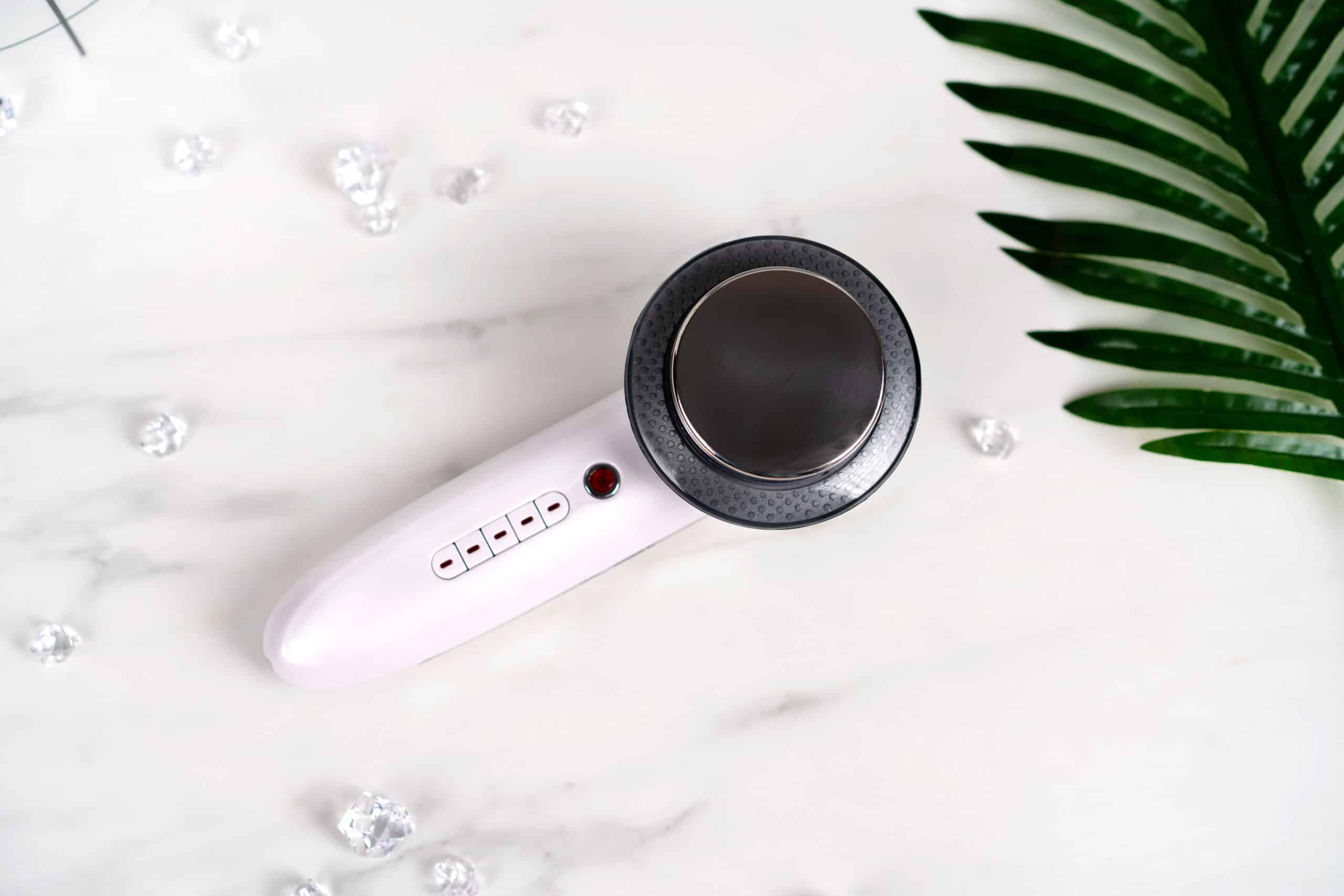
In our quest for youthful and radiant skin, we often find ourselves intrigued by the convenience and allure of at-home beauty devices. The latest addition to this growing trend is home-based High-Intensity Focused Ultrasound (HIFU) devices, which were once mainly used in clinics and by professionals.
The idea of achieving skin tightening and rejuvenation without leaving your home is undoubtedly appealing. However, before you dive headfirst into the world of at-home HIFU treatments, it’s essential to consider the potential risks.
In this blog post, we’ll cover these risks and just how home-based HIFU treatment is different from professional HIFU treatment.
How Hifu Treatment Helps With Signs of Ageing
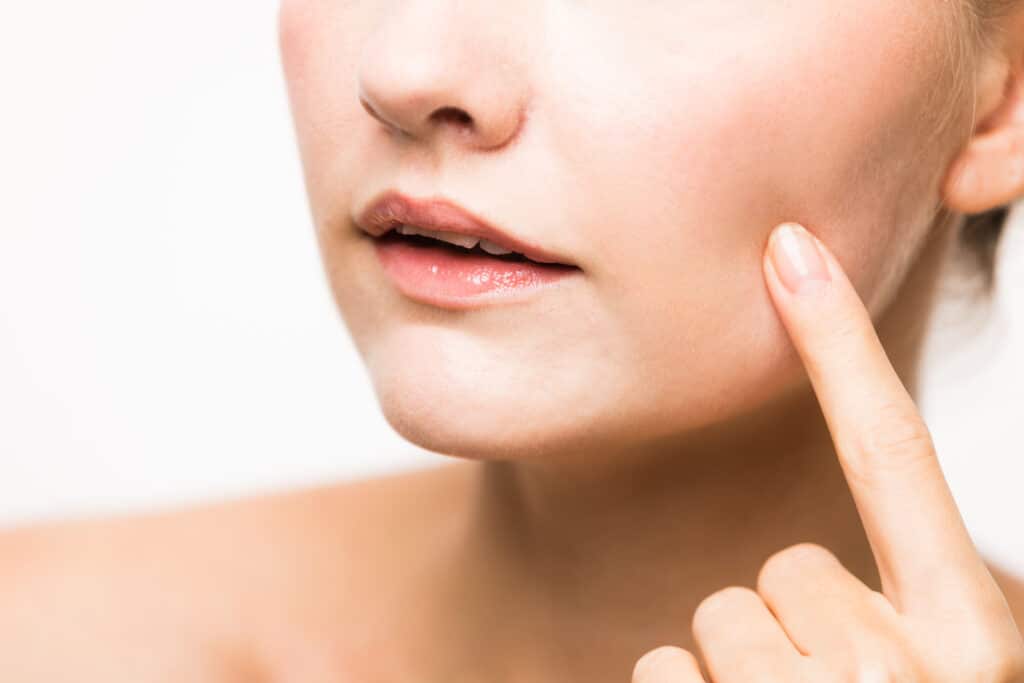
High-Intensity Focused Ultrasound (HIFU) is a non-invasive procedure that lifts and tightens sagging skin on the face and neck through ultrasound energy. This precision targeting sets HIFU apart from other treatments, as it enables practitioners to reach areas that were previously only accessible through surgical procedures. During the procedure, the ultrasound energy induces controlled thermal injury and activates the production of new collagen, combating visible signs of ageing. These signs of ageing include:- Fine lines
- Wrinkles
- Sagging skin
- Loss of facial